
Fireworks fill the sky with colour and noise during Bonfire Night, New Year’s Eve and Diwali, but for many dogs, these celebrations are terrifying. Loud bangs, flashes, and vibrations can leave even the most confident dogs trembling, hiding, or trying to escape.
This guide explains how to prepare your dog before fireworks, what to do during, and how to help them recover afterwards. Fireworks anxiety is one of the most common seasonal stress triggers for UK dogs, but careful preparation and environment control can significantly reduce fear and keep your dog calm during fireworks.
Quick Facts
- Around 40–50% of UK dogs show fear or anxiety during fireworks (PDSA, RSPCA).
- Fireworks can reach 150+ decibels — louder than a jet engine.
- Dogs hear sounds up to 65,000 Hz (humans up to 20,000 Hz).
- UK law bans fireworks after 11 pm, except: midnight on 5 November and 1 am on New Year’s Eve, Diwali, and Chinese New Year.
Most dog escapes occur around Bonfire Night (1–6 Nov) and New Year (31 Dec–2 Jan), according to the RSPCA and Dogs Trust.

Why Are Dogs Scared of Fireworks?
What makes fireworks frightening for dogs?
For dogs, fireworks are sensory overload. Each bang is sudden, unpredictable, and unlike anything they experience daily. Their hearing is far more sensitive than ours. Dogs can detect frequencies up to 65,000 Hz compared to our 20,000 Hz, which means every crack and whistle feels sharper, closer, and more threatening.
It’s not just sound. The bright flashes, vibrations, and smell of explosives all combine into one overwhelming event. Many dogs perceive this as danger and instinctively seek safety.
💡 Takeaway: Dogs fear fireworks because their heightened senses perceive unpredictable explosions as danger.
How to tell if your dog is scared of fireworks?
Some dogs tremble, pant, or pace visibly, while others show subtler signs — drooling, yawning, lip-licking, or seeking constant contact. They might hide in corners or bark persistently. Recognising these early signals lets you act before fear becomes full panic.
💡 Takeaway: Early intervention helps you calm your dog before stress escalates.
Why are some dogs more anxious than others?
Every dog is different. Breed and genetics play a major role, with herding or working breeds often reacting more intensely to sound. Some dogs inherit stronger startle or avoidance responses, while others are naturally steadier under pressure.
In dog sport and working lines, this sensitivity is closely observed. In fact, dogs that show extreme sound sensitivity — sometimes called “gun shy” — are typically not bred from in responsible working or sport breeding programs. This is because the trait can be genetically passed on, leading to offspring with the same predisposition toward noise-related anxiety. Dog sports such as Schutzhund and field trials deliberately test for soundness and nerve, helping ensure that dogs bred for performance have calm, confident temperaments even in the face of sudden loud noises like gunfire or fireworks.
Past experiences matter too: dogs who weren’t socialised around noise as puppies, or who’ve had a bad scare, are more likely to struggle.
Your environment adds to this. Urban dogs may experience echoes or multiple displays at once, while rural areas can make the noise feel louder against silence.
💡 Takeaway: Noise sensitivity varies by genetics, experience, and environment — and breeding for stability is one way the dog sport world helps reduce inherited fearfulness.
What Should You Do Before Firework Season?
How can you prepare your dog weeks or months in advance?
Preparation is everything. Start early — ideally in September or early October — to build tolerance gradually.
- Begin desensitisation training using low-volume firework sounds paired with treats or play.
- Introduce safe-space or crate training so your dog learns where to retreat.
- Update your microchip and ID tag — it’s vital in case they bolt at hearing totally unexpected sounds.
- For puppies, keep up gentle exposure to new noises and experiences.
💡 Takeaway: Gradual exposure and a secure environment reduce startle responses when fireworks begin.
What should you do in the days before expected fireworks?
As Bonfire Night or New Year’s Eve approaches, take practical steps to prevent surprises.
- Walk your dog early, before dusk
- Feed them earlier so they can relax indoors.
- Check local display times
- Close off escape routes — doors, fences, windows.
- Stock up on chews, calming toys and treats
In 2023 alone, there were over 10,000 public firework events across the UK in November, so planning ahead matters.
💡 Takeaway: Planning 24–48 hours ahead prevents last-minute stress for both dog and owner.
How to Desensitise Your Dog to Fireworks
What is desensitisation and why it helps
Desensitisation teaches your dog that firework sounds aren’t threats. By exposing them to gentle versions of the sound and pairing them with rewards, you reshape how their brain reacts — a process called counter-conditioning.
💡 Takeaway: Gradual, positive exposure helps dogs replace fear with familiarity.
How to start simple sound training at home
- Play a firework recording at a very low volume while your dog relaxes.
- Pair the sound with something enjoyable — tasty treats, play, or calm praise.
- Over days or weeks, gradually increase volume, always below their fear threshold.
- Keep sessions short — 5–10 minutes, ending before any signs of stress.
Free resources like the Dogs Trust Sounds Scary library offer structured guides.
💡 Takeaway: Always train below your dog’s fear limit — consistency beats volume.
When to seek help
If your dog panics even at low sounds, stops eating, or shows extreme distress, contact a qualified dog trainer.
💡 Takeaway: Professional help makes desensitisation safe and effective for highly anxious dogs.

How Can You Keep Your Dog Calm During Fireworks?
How to set up a safe environment at home
Your goal is to make home feel like a secure den.
- Keep your dog indoors and close all windows and curtains.
- Turn on TV or music to mask bangs.
- Allow your dog to hide in their safe space — don’t drag them out.
- Offer lick mats, chews, or scent games for distraction.
- Dim lights to reduce flashes.
💡 Takeaway: A dark, quiet, enclosed space with familiar scents reduces fear reactions.
How should you behave during fireworks?
Your calm is your dog’s compass. Speak softly and act as you normally would. Dogs are experts at reading body language — if you stay relaxed, they’re more likely to trust that they’re safe.
Comfort them if they approach you, but don’t force affection. Avoid scolding for barking or accidents; fear isn’t misbehaviour.
💡 Takeaway: Dogs mirror owner emotions — your calm tone teaches them it’s safe.
What if you must go out or leave your dog alone?
Ideally, stay home. If you must go out, arrange for someone to be with your dog or use a board and train service. If you’re outdoors briefly, keep your dog on a lead, even in enclosed spaces. For longer absences, consider reputable boarding kennels in quieter areas or sound-insulated environments.
💡 Takeaway: Never leave a noise-phobic dog unsupervised — panic can cause escape or injury.
What Should You Never Do With Dogs During Fireworks?
- Don’t take your dog to a fireworks display unless they are trained and desensitised to such noise. Crowds and unpredictable bangs cause panic and risk injury.
- Don’t leave your dog outside. Fearful dogs may jump fences or chew through gates to escape.
- Don’t punish or shout. Fear reactions are involuntary; punishment deepens anxiety.
- Don’t force exposure. Facing fears without preparation can make phobia worse.
- Don’t over-comfort. Some dogs need space; offer quiet presence, not constant contact.
- Don’t ignore early signs. Shaking or hiding means act now — use masking sounds and the den.
- Don’t rely on last-minute medication. Always consult your vet.
- Don’t open doors suddenly. Startled dogs can bolt; keep doors locked during displays.
- Don’t forget ID tags and microchips. Updated details mean faster reunions if they escape.
- Don’t assume it’s one night only. Keep routines and precautions in place for several evenings.
💡 Takeaway: Prevention is always easier than calming a panicked dog.
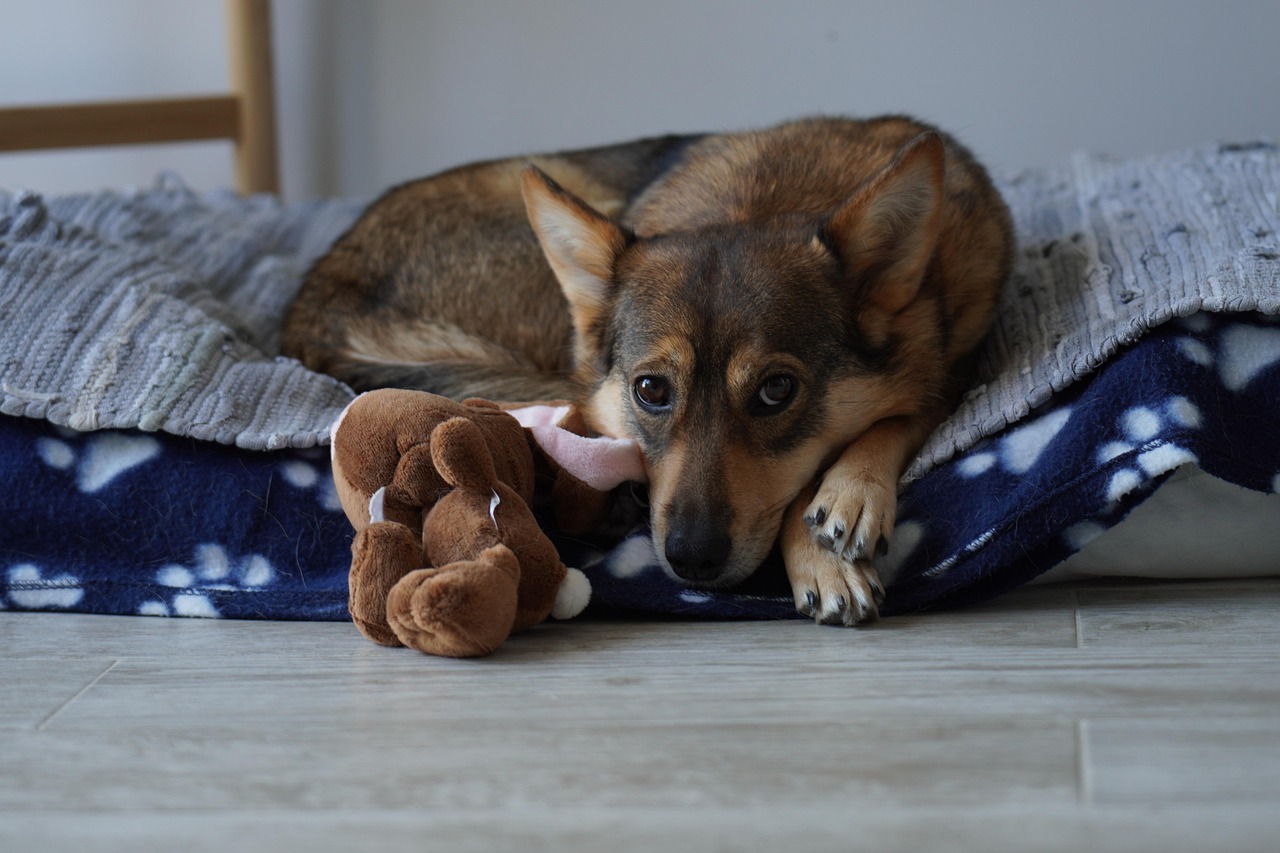
What Should You Do After Fireworks End?
How to help your dog recover immediately
Once the noise fades, let your dog come out of hiding in their own time. Offer water, a toilet break, and quiet reassurance. Don’t rush back to normal play — let calm return gradually.
💡 Takeaway: Recovery takes hours; patience and routine rebuild confidence.
How can you build long-term resilience?
Continue occasional sound training all year. Keep your dog’s safe den available so it remains a comforting space. If anxiety is severe, consider professional residential or one-to-one training. Always reward calmness when your dog reacts well to noises like thunder or door slams.
💡 Takeaway: Long-term training turns avoidance into tolerance.
Fireworks are louder, less predictable, and include flashing lights, making them harder for dogs to anticipate or adapt to.
No. Even confident dogs can panic. Keep them indoors with a den and masking noise.
If your dog shows extreme panic, stops eating, or remains fearful for days, seek professional help.
Always speak to your vet before giving any medication or supplement.
They reduce sound intensity but won’t block noise completely.
Yes. Desensitisation works at any age when done gently and consistently.
Key Takeaways
Helping your dog through fireworks season isn’t about eliminating fear completely; it’s about making each experience calmer, safer, and more manageable.
Think in three phases: Before, During, and After.
Prepare early with sound training and a secure den. During fireworks, stay calm, create a safe environment, and use proven calming methods. Afterwards, return to normal routines and continue building confidence through gentle exposure.
By planning weeks ahead and managing your dog’s environment on the night, you can turn fireworks season from panic to calm.
At K9 Generation, we believe that every dog deserves to feel safe and understood. Fireworks fear can be reduced with preparation, patience, consistency, and positive methods.
Our trainers work with dog owners across the UK — including Essex, London, Somerset, and Devon — to help dogs build calmness and confidence through training. From early puppy training to tailored residential programmes, we focus on creating steady progress and stronger communication between you and your dog, even in challenging moments like fireworks season.