

If you’ve reached this point, chances are you are feeling frazzled by your dog’s behaviour. Perhaps your Labrador is dragging you along like a train, your Collie is barking at everything passing by, especially cyclists, or your Cockapoo puppy has confused your sitting room carpet with the lawn. You are not alone, and residential dog training may be the solution you need.
Rather than sitting through months of classes that have to work around your schedule, residential dog training is the intensive, hands-on alternative to help change behaviour within weeks. Here’s your step-by-step guide to it, when it is the best option, and how to ensure it is the best solution for you and your dog.
Table of Contents
What Is Residential Dog Training?
Residential training, also referred to as “board and train,” is where your dog lives with a professional trainer for an agreed time, typically between 2-8 weeks. Throughout this time, they receive daily classes, individual attention, and regular routines in the safety of a dog training facility.
This arrangement is particularly useful for dogs with problematic behaviour that is challenging to live with at home, including lead pulling, reactivity, and anxiety.
It is also best for young dogs who have not been trained to understand basic obedience, or high-energy breeds requiring more structure even than can be given in the average domestic setting. In contrast to weekly classes, where it is up to you to see the programme through, your dog is being taught daily by a professional. Depending on the programme, your dog might stay in the trainer’s home or in purpose-built accommodation.
Is Residential Training Right for Your Dog?
It’s not a one-size-fits-all solution, but it can be incredibly helpful in situations like:
- Busy owners who can’t commit to regular training sessions
- Multi-dog households where managing behaviour is extra challenging
- Dogs with ingrained habits, like reactivity, pulling on the lead, or anxiety
- Young puppies who need structured socialisation and strong foundations
If your dog’s behaviour is causing stress at home or on walks, and you feel stuck, residential training can offer a fresh start.

What Can Residential Training Help With?
Residential training can help with all types of behavioural goals. Whether you’re starting from scratch or addressing things that have built up over time, the daily structure and expert guidance make it easier to establish reliable habits and break problematic ones. Here are some of the typical motivations for owners to use this style of training:
- Walking nicely on a lead
- Coming back when called
- Settling in busy or public places
- Barking or lunging at dogs, people, or vehicles
- Building confidence in anxious dogs
- Learning good manners for everyday life
For puppies, programmes often focus on toilet training, bite inhibition, early obedience, and safe socialisation with new people, dogs, and environments.
How does Residential Dog Training Work
Understanding how residential training works can help you feel confident about whether it’s a good fit for your dog or not. For many owners, it’s reassuring to know how their dog will be looked after day to day, how routines are managed, and how progress is measured across the stay.
Initial Assessment
Before your dog starts, most trainers will assess their behaviour, background, and goals. You’ll usually be asked to share details and vaccination records so everything is in place before the stay.
Daily Routine
Your dog’s day is structured to balance learning, rest, exercise, and enrichment. A typical day might look like:
- Morning toilet break and breakfast
- Training session (obedience or specific behaviours)
- Play time
- Rest time in a calm space
- Afternoon training session
- Enrichment walk
- Evening wind-down and feeding
You’ll often receive videos, photos, or short updates to stay informed while your dog is away.
Where Your Dog Stays
Setup | Good For | Things to Consider |
Kennel-based | Dogs that benefit from quiet structure | May feel more formal or isolated |
Home-based | Dogs that thrive with real-life exposure | Less control over the environment, more variables |
Programme Length
Duration | Typical Use |
1 week | Skills refresh or quick training top up |
2–3 weeks | Foundation training, manners and recall |
4+ weeks | More serious issues or complex behaviours |

What Makes Residential Different?
Compared to kennels, dog hotels, or daycare, residential training focuses on structured learning.
| Service Type | Training Included? | Main Focus | Average Cost per Day (UK) | Typical Duration | Best For |
| Residential Training | Yes | Behaviour and obedience training | £100–£300 | 2–8 weeks | Dogs needing training progress or intensive help |
| Dog Kennels | No | Boarding, feeding, supervision | £20–£50 | Any duration | Safe care while owners are away |
| Dog Hotels | Sometimes | Comfort and pampering | £60–£150 | Any duration | Pampered stays with limited structure |
| Daycare | No | Social play and exercise | £20–£50 | Daily or weekly | Social dogs who enjoy group play |
| Day Training (drop-off) | Yes | Structured training without overnight | £80–£150 | 1–5 days per week | Mild behaviour support while keeping home routines |
Choosing residential training is not just about convenience. It gives your dog the benefit of round-the-clock structure and support, delivered by professionals who understand how to shape behaviour consistently and thoughtfully. For many owners, it proves to be a more effective and lasting investment than a series of short-term fixes or repeated group classes.
What Does Residential Dog Training Cost?
Residential training costs can vary depending on the trainer, location, and the type of service provided. Here’s a general guide:
Programme Length | Price Range |
1–2 weeks | £1,500 – £3,000 |
3–4 weeks | £3,000 – £6,000 |
Per day rate | £150 – £300 |
Prices may be higher in London or for home-based, highly personalised programmes. Costs usually include accommodation, daily training, and follow-up support.
Residential training costs can vary depending on the trainer, location, and the type of service provided. Here’s a general guide:
Programme Length | Price Range |
1–2 weeks | £1,500 – £3,000 |
3–4 weeks | £3,000 – £6,000 |
Per day rate | £150 – £300 |
Prices may be higher in London or for home-based, highly personalised programmes. Costs usually include accommodation, daily training, and follow-up support.
Residential training costs can vary depending on the trainer, location, and the type of service provided. Here’s a general guide:
Programme Length | Price Range |
1–2 weeks | £1,500 – £3,000 |
3–4 weeks | £3,000 – £6,000 |
Per day rate | £150 – £300 |
Prices may be higher in London or for home-based, highly personalised programmes. Costs usually include accommodation, daily training, and follow-up support.
Training Methods, Welfare & Legal Standards
Training methods vary significantly across providers, so it’s important to know what to look for. Positive trainers focus on reward-based methods, using treats, praise, and play to encourage desired behaviours without corrections. Balanced trainers also use rewards, but combine them with fair, proportionate corrections to discourage unwanted behaviour. The key difference lies in whether corrections are avoided entirely or used alongside rewards, with both approaches aiming to teach dogs effectively when applied humanely and skillfully.
When choosing a trainer, focus on how their methods align with your dog’s needs, temperament, and your own values. Some dogs thrive on purely reward-based training, while others may benefit from a balanced approach that includes fair corrections. Ask potential trainers to explain their philosophy, demonstrate their techniques, and share examples of how they adapt methods for different dogs. The right trainer will be transparent, flexible, and able to adjust their approach to suit the individual dog, recognising that no single method works for every animal.
While dog training is not a regulated profession in the UK, many responsible trainers choose to obtain voluntary certifications from organisations such as the Institute of Modern Dog Trainers (IMDT) or the Association of Pet Dog Trainers (APDT). Some have completed formal studies, such as animal behaviour courses or university degrees, while others bring years of hands-on experience and a proven track record, demonstrated by awards at high-level competitions.
It’s also reasonable to ask if the trainer has up-to-date public liability insurance, care and control cover, and canine first-aid certification. These details are covered in our downloadable checklist. As an owner, you have the right to receive regular updates and ask about your dog’s well-being. Most reputable providers will offer videos, photos or written updates during the stay.
If you believe a trainer is operating unsafely, you can report them to your local authority’s animal welfare team or Trading Standards. For serious welfare concerns, contact the RSPCA, who can investigate neglect or mistreatment of the animals.

How to Choose the Right Board and Train Programme
Choosing the right residential training provider is one of the most important decisions you’ll make. A well-run programme can bring lasting results, but the wrong setup could leave you feeling disappointed. Taking the time to research your options ensures your dog is in safe, experienced hands.
Here’s what to check before committing:
- What training philosophy do they have?
- Are they qualified or affiliated with a recognised training body?
- Is there insurance in place for training and boarding?
- Can they clearly explain how your dog’s days will be structured?
- Will they keep you updated during your dog’s stay?
- What does the handover and aftercare look like?
Preparing Your Dog for the Stay
Set your dog up for success with a few small steps before they start. Ask your trainer beforehand if you can bring anything from home, as this varies. A few familiar comforts could make a difference in helping your dog settle.
- Help them get used to short separations.
- Stick to their normal feeding and exercise routine.
- Pack familiar items like bedding or a toy that smells like home.
Things to Be Aware Of
Residential training can truly transform many dogs, but it is best to know the risks so you can ask the necessary questions and make the best decision for your dog.
Though the vast majority of trainers are professional and caring, there are instances where things haven’t turned out so well. Some dogs have become overly anxious, withdrawn, or fearful upon returning home, usually indicating the methods used weren’t performed with care.
Other issues that have been reported include:
- Aversive methods or tools are being used incorrectly
- No clear refund policies when owners are dissatisfied with the progress
- Injuries during social time or accidents on walks
- Medical issues going unnoticed or untreated
- Dogs escaping from unsecured areas
- Dogs losing weight during their stay due to stress or not being properly cared for
These situations are rare, but being aware of them helps you make better decisions. To reduce the risk:
- Choose an experienced dog trainer with good reputation
- Visit the trainer’s facility or ask for videos of the space and setup
- Clarify how often your dog will be supervised, exercised, and rested
- Ask about policies for refunds, health emergencies, and unexpected outcomes
Most of all, make sure the trainer communicates clearly, welcomes questions, and seems genuinely interested in your dog’s well-being.
Setting Expectations Makes All the Difference
One of the most common reasons residential training falls short of expectations isn’t a lack of effort; it’s a mismatch between what owners think will happen and what the programme is designed to achieve.
If owners expect their dog to come back perfectly trained in every setting without any follow-up at home, disappointment is almost guaranteed. No matter the effectiveness of the training, the home situation, daily routines, and family consistency all play a part in whether results stick.
This issue can be avoided with clear communication before the programme starts. Good trainers will:
- Help you define realistic, measurable goals based on your dog’s behaviour and personality
- Explain what progress might look like at different stages
- Prepare you for what your role will be after the programme ends
Likewise, owners should feel comfortable asking:
- What exactly will my dog be working on?
- What will my involvement be after the stay?
- What kind of progress can I expect in two, three, or four weeks?
When everyone’s on the same page, training becomes a shared effort rather than a hand-off. That’s when lasting results are most likely to happen.
Owner Involvement in Training Is Critical
It’s easy to think your dog will return fully trained, but long-term success depends on how well you follow through at home. Without consistency, even the best-trained dogs can slip back into old habits.
Some common issues that arise after training include:
- Dogs ignoring their owner’s cues because training didn’t transfer properly
- Owners feel unsure about how to reinforce new behaviours
- Households not following the same rules, leading to mixed messages
To avoid this, look for a programme that includes:
- A proper handover session with clear instructions
- A training plan or follow-up guide
- Ongoing support, such as refresher sessions or check-ins
The best training results come from teamwork between you, your trainer, and your dog.

What Happens After the Programme?
Your dog’s stay might be complete, but the training isn’t. Good programmes include aftercare that helps you maintain results at home.
- Handover session: When collecting your dog, your trainer should show you what they’ve learned and how to keep it going.
- Follow-up plan: A simple, tailored plan helps you stay consistent.
- Ongoing support: Some trainers offer check-ins or refresher sessions.
Training results last longest when you continue reinforcing behaviours calmly and consistently at home.
How to Maintain Progress at Home
To make the most of residential training, it’s important to keep things consistent once your dog is back in your care. Simple habits go a long way:
- Daily five-minute refreshers help reinforce what your dog has learned without requiring lots of time.
- Clear household rules ensure your dog gets the same message from everyone in the home.
- Consistency among family members avoids confusion and keeps behaviours reliable.
- Scheduled refresher visits with your trainer can help you work through any setbacks and keep progress on track.
Sticking to these practices helps your dog feel confident and keeps training on the right path.
Alternatives to Residential Training
Residential training isn’t always the right fit. These options might be better if you prefer to stay involved or your dog doesn’t cope well being away:
- Drop-off day training: Your dog trains with a professional during the day and sleeps at home.
- In-home training: The trainer works with you and your dog in your home.
- 1-to-1 training sessions: In person lessons that include guidance and homework.
- Group classes: Best for socialisation and basic training.
- Online coaching: A flexible option for confident owners who want expert support.
Some Frequently Asked Questions
No. Dogs don’t forget their people. They may miss you at first, but they’ll remember you and will likely greet you with excitement when you’re reunited.
Yes, especially for dogs who benefit from consistency and fewer distractions. It provides a routine environment where behaviours are reinforced daily.
Residential training is a full-time stay with a professional trainer. Private training typically involves weekly sessions where you’re directly involved. The residential approach gives faster results but still requires your input afterwards.
Yes, when provided by experienced trainers who prioritise safety and welfare. Always check for proper insurance, health protocols, and how dogs are supervised.
Most residential programmes are designed for all breeds, but experienced trainers will adjust their approach depending on your dog’s traits, size, and temperament.
Most dogs can begin from around 12 weeks old, once they’ve had their vaccinations. Early training during this stage can make a big difference.
Group classes are great for socialisation. But if you need quicker progress or help with more challenging behaviour, residential training offers more structure and one-on-one attention.
Sometimes. Two weeks can work for reinforcing existing skills or basic manners, but more complex behaviours usually need longer to see reliable change.
It can happen, especially if routines change. A good trainer will provide a plan to follow and may offer refresher sessions to get things back on track.
Be cautious of anyone who guarantees results, avoids questions, or uses harsh methods. A trustworthy trainer will be open, kind, and happy to explain their approach.
No reputable trainer can guarantee results, because every dog is different. Some offer follow-up support, but always ask about policies and what’s included before you book.
Residential training isn’t just about shaping your dog’s behaviour; it’s about simplifying everyday life and establishing a stronger bond with your dog. If this guide has helped you feel clearer about the process, what to expect, and what matters most when choosing a provider, you’re already one step ahead.
To move forward, download our residential dog training owner checklist to prepare you for getting the most out of your next board and train programme, or get in contact with us to talk through your dog’s needs and the ways we can assist.

Alex Cooper
Explore Other Types of Training
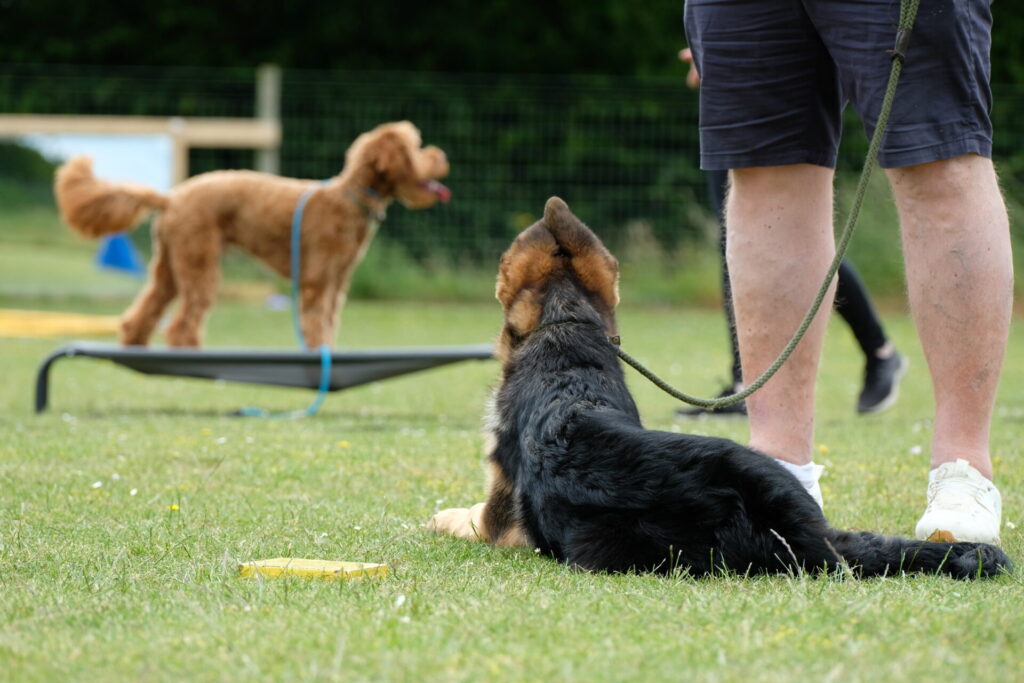
Group Dog Training
Effective methods to train and socialise your dog in a group environment by learning together with other people and their dogs.

Puppy Training
Our puppy residential training program offers a structured stay to build essential skills and good habits.
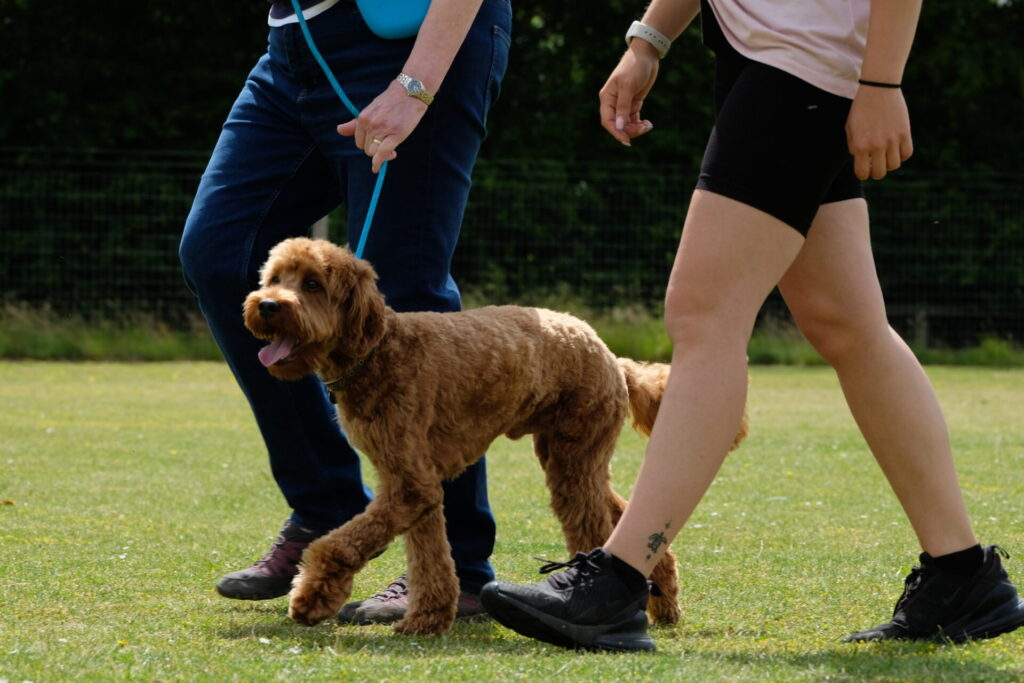
1-2-1 Dog Training
Personalised dog training sessions, assessment and undivided attention dedicated solely to you and your dog.